


Surveillance that Tracks Americans
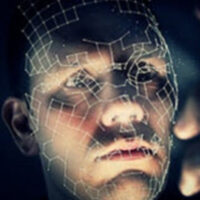
Although most Americans understand that surveillance techniques are becoming more advanced every day, most people are probably not aware of the lengths to which the government goes to track us. In actuality, government tracking occurs more frequently and uses more methods than most people would ever imagine. Surprisingly, it is often a matter of large-scale efforts, aerial and physical surveillance, and even biometric data that can impact us all. Why all this data collection? Government agencies such as DHS, FBI, NSA, and CIA say crime prevention and national security require it.
For Example…
These days, messaging, internet searches, browsing patterns, and more are available for mass data collection. Under the Foreign Intelligence Surveillance Act (FISA,) phone metadata that travels along undersea cables and internet hubs are easily accessible, even without a warrant, when that data interacts with foreign entities. Ergo, government agencies can identify the numbers called, as well as the location and duration of calls. Additionally, cell-phone data is used for geolocation on a large scale to determine who was in the vicinity of a crime. The facts around surveillance in this country are disquieting:
- In fact hundreds of millions of American citizens have had their data collected by the Intelligence Community. Mass surveillance operations include efforts to listen in on phone calls, follow texting patterns, and eavesdrop electronically.
- Some federal agencies oversee various social media platforms that typical Americans interact with daily, from TikTok and WhatsApp to Facebook and beyond.
- Drones and manned aircrafts conduct aerial surveillance, which is essentially arbitrary mass spying of both rural and urban areas. This is especially troublesome because there are very few privacy protections on the books in this area. In addition to high resolution cameras being used, there are drones with facial recognition technology, license plate readers, infrared cameras, motion detectors, and heat sensors.
- ALPR –Automated license plate readers– are ubiquitous these days, and the data from Flock, the company behind the readers, is available to essentially anyone who wants it. Recently, much of this information has been used to identify the movements of immigrants in the country.
- Government entities actually buy personal information from data brokers, which is a quick and easy way to get personal information on virtually anyone without a warrant.
- Facial recognition technology (FRT) is in increasingly more public spaces as retailers opt for the ability to scan customers’ faces, presumably to catch alleged shoplifters and others who’ve been targeted by law enforcement. BOLO alerts (be on the lookout for) from police is turning this type of surveillance into what some call a “mass surveillance machine,” one that is frequently exploited, lacks precision, and all too contributes to wrongful arrests.
- All of these forms of surveillance are being used with consistency, frequently collecting data on innocent and unsuspecting individuals.
Protecting Your Rights
At Salazar & Kelly Law Group, our Kissimmee criminal defense lawyers care about our clients, and we care about the Constitution. If you find yourself facing criminal charges and your rights have been compromised, we will fight to make things right on your behalf. To discuss, contact our Kissimmee office for a confidential consultation today.